To wash a beekeeping suit, remove the veil, pre-treat any stains, then hand wash in cool water with mild fragrance-free detergent — or run a gentle machine cycle. Air dry completely before storing. Done right, it takes about 30 minutes and adds years to your suit’s life.
Some of the links in this article may be affiliate links. If you make a purchase through these links, we may earn a small commission at no extra cost to you. Thank you.
If you’ve been putting off cleaning that crusty suit hanging in the garage, you’re not alone. Most beekeepers wash their gear far less often than they should — and it costs them at the hive. A dirty suit carries alarm pheromones, propolis residue, and traces of venom that can make your next inspection far more chaotic than it needs to be. Let’s fix that.
Key Takeaways
- Always use cool or lukewarm water — heat degrades fabric fibres and warps mesh veils.
- Fragrance-free, mild detergent is non-negotiable. Scented products irritate bees and make inspections harder.
- Air drying is the only safe method. A tumble dryer will shrink cotton suits and damage elastic closures.
- Wash every 3–5 inspections, or immediately after heavy stinging events or significant propolis contact.
Why Does Washing Your Beekeeping Suit Actually Matter?
Clean protective gear isn’t just about looking professional at the apiary — it’s a genuine safety issue. When a bee stings, it releases alarm pheromones, primarily a compound called isoamyl acetate, that signal other bees to defend the hive. These chemical signals can persist in fabric for days, even weeks, if the suit isn’t washed. Heading back to your hives in a suit still carrying those signals is essentially arriving wearing a “please sting me” sign.
Beyond pheromones, propolis — the sticky, resinous substance bees use to seal gaps in the hive — accumulates on suits over every inspection. Propolis contains phenolic compounds and resins that make it extraordinarily adhesive and difficult to shift once it hardens. Regular washing prevents that buildup from becoming a permanent feature of your suit. Beekeepers who wash consistently every few inspections find cleaning takes a fraction of the effort compared to those who tackle a full season’s worth of grime in one hit.
There’s also longevity to consider. Sweat, venom traces, and general outdoor grime degrade fabric fibres over time. A well-maintained suit — washed properly and stored correctly — can realistically last 5 to 10 years of regular use. A neglected one may need replacing after two or three seasons. If you’re just starting out and want a solid grounding in everything the craft involves, this introduction to beekeeping and how to get started covers the essentials worth knowing before your first season.
How Often Should You Wash a Beekeeping Suit?
The honest answer: more often than most beekeepers do. A good working rule is to wash your suit every 3 to 5 hive inspections, or roughly every two to four weeks during an active season. Certain situations call for an immediate wash regardless of your schedule:
- You received multiple stings during an inspection
- You worked a particularly defensive hive
- There’s visible propolis, wax, or honey on the fabric
- The suit smells noticeably — of smoke, sweat, or anything else
- You’re preparing for a queen introduction or a hive split, when bee temperament tends to be heightened
At the end of the beekeeping season — typically late autumn — give your suit a thorough wash before putting it into winter storage. Storing a dirty suit invites mildew, pest damage, and makes your first spring inspection more difficult than it should be. Consistent cleaning is one of those small habits that compounds positively across every season you keep bees.
What Do You Need Before You Start?
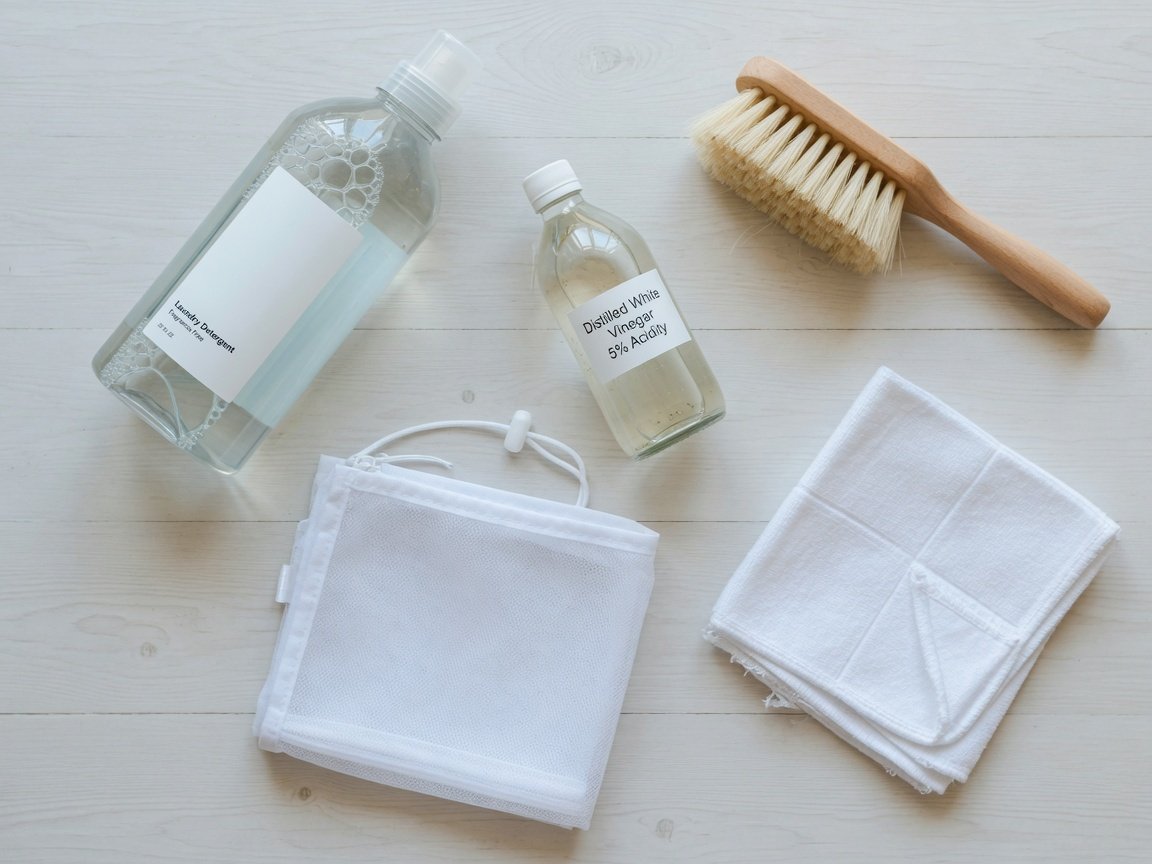
You don’t need specialist products. The goal is choosing gentle, fragrance-free options that won’t leave a chemical signature on your suit. Here’s what to gather before you start:
- Mild, fragrance-free laundry detergent — look for labels saying “free and clear” or “sensitive.” Avoid anything with built-in fabric softener.
- Cool or lukewarm water — never hot. Hot water sets stains and causes cotton to shrink.
- A soft-bristled brush — an old toothbrush or a soft nail brush works perfectly for working detergent into propolis spots.
- A large basin or bathtub — for hand washing with enough room to work the fabric.
- White vinegar — optional but helpful. A small amount in the final rinse helps neutralise residual pheromones and acts as a mild deodoriser.
- A mesh laundry bag — essential if you’re machine washing, to protect the veil and any mesh sections from snagging.
One thing to leave off the list entirely: bleach. Even diluted bleach degrades fabric fibres in most beekeeping suits, weakens stitching, and leaves residue that bees find irritating. It also causes white suits to yellow over time rather than staying bright. Skip it completely.
How to Wash a Beekeeping Suit by Hand (Step-by-Step)
Hand washing is the safest method for all suit types — cotton, poly-cotton, and ventilated suits alike. It gives you precise control over pressure and temperature, which matters most around the veil and mesh sections. Here’s the full process:
- Detach the veil. Most beekeeping suits have a zip-off or button-off veil. Remove it and set it aside — it needs gentler treatment than the body of the suit and should be washed separately.
- Empty every pocket. Hive tools, queen markers, and smoker fuel have a talent for disappearing into suit pockets. Check thoroughly before the fabric gets wet.
- Pre-treat stains. Apply a small amount of detergent directly onto propolis spots, honey smears, or wax residue. Work it in gently with your soft brush and leave it for 5–10 minutes. For hardened propolis, place the suit in the freezer for 20 minutes first — the cold makes propolis brittle and much easier to scrape away before you apply detergent.
- Fill a basin with cool water. Add the recommended amount of fragrance-free detergent — or slightly less. You don’t need heavy suds to clean effectively.
- Submerge and work gently. Swirl the fabric through the water, paying particular attention to cuffs, elastic ankle closures, and any heavily soiled areas. Avoid scrubbing hard along seams, as sustained pressure weakens stitching over time.
- Rinse thoroughly — twice. Drain the soapy water and refill with clean cool water. Rinse at least twice. Detergent residue is just as attractive to bees as floral fragrance, so a thorough rinse is worth the extra few minutes. Add a small splash of white vinegar to the final rinse if you have it.
- Press out excess water. Never wring or twist the suit — this distorts the fabric and stresses seams. Instead, press it firmly against the basin walls or roll it in a clean dry towel to draw out moisture.
- Air dry immediately. Hang on a wide-shouldered hanger or lay flat on a drying rack, away from direct sunlight and heat sources.
The whole process from start to finish takes around 20–30 minutes of active effort, plus drying time. Building this into your post-inspection routine makes it feel like far less of a chore than doing a marathon clean at the end of the season.
Can You Machine Wash a Beekeeping Suit?
Yes — with the right settings. Most full beekeeping suits made from cotton or poly-cotton blends can handle a gentle machine cycle without issue. Ventilated suits with large mesh panels are the exception: the mesh is more likely to snag, stretch, or tear in a machine drum. When in doubt about your specific suit’s material, hand washing is always the safer choice.
For machine washing, work through this checklist:
- Remove the veil first and wash it separately by hand — always.
- Turn the suit inside out to protect outer surfaces and elastic closures from drum friction.
- Place the suit inside a large mesh laundry bag to reduce wear against the drum and other items.
- Select a gentle or delicate cycle with cold water or a maximum of 30°C.
- Use a small amount of fragrance-free detergent — less is more, since excess detergent is harder to rinse out fully.
- Run an extra rinse cycle to ensure no detergent residue remains in the fabric.
- Use the lowest spin speed available — or skip the spin entirely if your machine allows it. High-speed spinning stresses seams and elastic.
Never tumble dry a beekeeping suit. Even a low-heat setting causes cotton to shrink — sometimes by a full size. A suit that fit perfectly before drying can emerge tight around the wrists and ankles, which creates a real problem when you need full freedom of movement at the hive. Air drying always wins.
How to Wash the Veil and Hood Separately
The veil is the most delicate part of any beekeeping suit, and it deserves individual attention every time. Whether your suit uses a round veil, a square veil, or integrated fencing mesh, the material is vulnerable to snagging, stretching, and tearing under machine wash conditions.
Here’s how to wash a veil correctly:
- Fill a basin with cool water and add a very small amount of mild detergent — about a quarter of what you’d use for the suit body.
- Submerge the veil and swish it gently through the water. Do not scrub the mesh directly — even light scrubbing distorts the weave over time.
- Rinse twice in clean cool water.
- Lay the veil flat on a clean towel and reshape it gently by hand. Round veils should be propped over a bowl or similar rounded form so they hold their shape as they dry.
- Allow the veil to dry completely — away from heat and direct sunlight — before reattaching it to the suit or putting it into storage.
While the veil is wet and easy to inspect, check the mesh carefully for any small tears or weak spots. A tiny hole is straightforward to repair with a needle and matching thread before it becomes a gap large enough for a determined bee to find. Keeping detailed notes on your equipment’s condition — alongside your hive observations — helps you spot problems early. Beekeepers who track this sort of thing in their hive management records tend to catch gear issues before they become costly mistakes.
How to Properly Dry Your Beekeeping Suit
Drying is where a lot of beekeepers inadvertently shorten their suit’s life. It’s the step most people rush — and it’s the one that requires patience. Here’s what works and what doesn’t:
Do:
- Hang the suit on a wide-shouldered hanger so the fabric drapes naturally without heavy creasing.
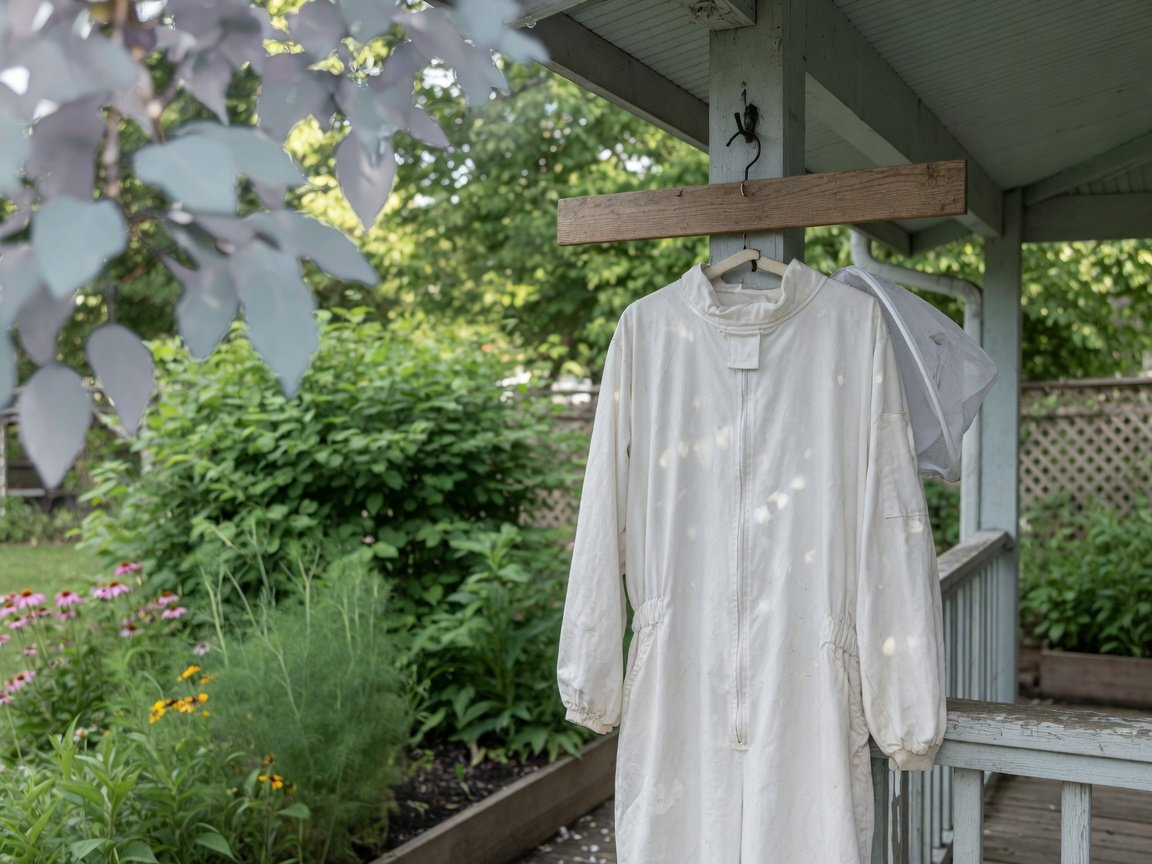
- Dry indoors or in a shaded outdoor area — a covered porch works very well.
- Allow 6–12 hours for a full cotton suit to dry completely. Poly-cotton blends typically need 3–5 hours.
- Ensure the suit is completely dry — including inside pockets and thick seam areas — before storing.
Don’t:
- Dry in direct sunlight for extended periods. UV radiation gradually degrades cotton fibres and causes white suits to yellow.
- Dry near a radiator, fan heater, or any heat source — heat causes shrinkage and can damage elastic ankle and wrist closures.
- Fold or store the suit before it’s fully dry. Even slightly damp fabric develops mildew quickly in storage.
- Iron the suit — it’s unnecessary, and direct heat can damage mesh sections and plastic zip elements.
How to Clean Beekeeping Gloves
Beekeeping gloves deserve a separate mention because different materials need very different care approaches.
Leather gloves: Don’t soak leather in water — it dries out the material and causes cracking. After each use, wipe leather gloves down with a slightly damp cloth. Apply a small amount of leather conditioner every few months to keep the material supple and flexible. If they’re heavily soiled, use a lightly dampened cloth with a tiny amount of mild soap, wipe clean, and condition once completely dry.
Latex or rubber gloves: These are the easiest to clean. Rinse under cool running water immediately after each inspection, using a small amount of mild soap if needed. Turn them inside out, rinse the interior thoroughly as well, and hang to air dry completely before storing. Replace latex gloves at the first sign of cracking or pinhole damage — a compromised glove gives false confidence.
Nitrile gloves: Clean the same way as latex — rinse, mild soap if needed, air dry. Nitrile is more chemical-resistant and slightly more durable than latex. Many experienced beekeepers prefer nitrile gloves because the thinner material allows better tactile sensitivity when you’re working frames and finding queens.
Common Mistakes to Avoid When Washing Your Beekeeping Suit
Even conscientious beekeepers make cleaning errors that quietly shorten their suit’s life or make their next inspection more difficult. Here are the most common ones worth knowing about:
- Using hot water. Hot water sets protein-based stains — including bee venom residue — permanently into fabric. Always cool or lukewarm.
- Using scented products. Fabric softener, scented detergent, and dryer sheets all leave chemical signatures on fabric. Bees are extraordinarily sensitive to smell, and artificial fragrances can agitate an otherwise calm hive.
- Ignoring propolis until it hardens. Fresh propolis is far easier to remove than dried, hardened deposits. Pre-treat spots while they’re relatively fresh, or use the freezer method to make older propolis brittle before scraping.
- Putting the veil through the machine unprotected. Mesh catches on drum edges or other garments and develops small tears. Always remove the veil and hand wash it every single time.
- Storing a damp suit. Mildew develops quickly on fabric stored in a cool, dark space. A suit that smells musty when you reach for it on inspection day is a frustrating start. Dry completely — always.
- Washing too rarely. Allowing alarm pheromones and propolis residue to accumulate across an entire season means you’re working harder every single inspection to keep the bees calm. Regular, consistent washing makes every hive visit easier.
How to Store Your Beekeeping Suit After Washing
Proper storage protects all the work you’ve put into washing the suit correctly. Once your suit is completely dry, follow these steps:
- Hang it in a breathable garment bag — the kind that allows air circulation. Avoid sealed plastic bags, which trap residual moisture and promote mildew.
- Store in a cool, dry location away from direct light. A wardrobe or dedicated hooks in a utility room work well.
- Keep it well away from petrol, pesticides, and strong chemicals. Fabric absorbs odours readily, and chemical contamination on a suit is genuinely dangerous at the hive.
- Store the veil attached but loosely, or in a separate cloth bag to prevent the mesh from snagging on other gear.
- Check for pest damage before winter storage. Moths are particularly fond of natural fibres like cotton, and a few months in storage can result in significant damage if the suit isn’t protected. Cedar blocks or lavender sachets near (not touching) the suit can deter moths without leaving a scent on the fabric itself.
If you’re still building your knowledge of the craft, investing time in quality reading pays dividends across every aspect of keeping bees — including understanding why equipment care matters as much as it does. The best beekeeping books for beginners cover seasonal rhythms, gear selection, and hive management in a way that makes all the practical details click into place.
Quick Reference: Washing Your Suit by Material Type
| Material | Machine Wash? | Water Temp | Drying Method | Key Note |
|---|---|---|---|---|
| 100% Cotton | Yes (gentle cycle) | Cold / 30°C max | Air dry only | Most prone to shrinking — never warm water |
| Poly-cotton blend | Yes (gentle cycle) | Cold / 30°C max | Air dry only | Most common material; dries faster than pure cotton |
| Ventilated / mesh suit | Hand wash preferred | Cool only | Air dry flat | Mesh panels snag and tear easily in drum machines |
| Synthetic (polyester) | Yes (gentle cycle) | Cold / 30°C max | Air dry only | Less shrink-prone but retains odours more than cotton |
Frequently Asked Questions About Washing a Beekeeping Suit
Can I wash my beekeeping suit in a regular washing machine?
Yes, for most cotton and poly-cotton suits. Use a gentle or delicate cycle with cold water and fragrance-free detergent. Always remove the veil first and wash it by hand — without exception. Ventilated suits with large mesh sections should be hand washed to protect the mesh from snagging and stretching in the drum.
What detergent should I use to wash a beekeeping suit?
Use a mild, fragrance-free detergent — the kind marketed as “free and clear” or “sensitive.” Avoid fabric softeners, scented detergents, and anything containing bleach or optical brighteners. Fragrance residue left in the fabric irritates bees and can turn a calm hive defensive very quickly.
How do I remove propolis stains from a beekeeping suit?
For fresh propolis, apply a small amount of mild detergent directly to the spot and work it in gently with a soft brush before washing the whole suit. For hardened propolis, place the suit in the freezer for 15–20 minutes. The cold makes propolis brittle, allowing you to chip it off before pre-treating the remaining stain. Avoid solvents — they damage most suit fabrics and leave chemical residues bees find irritating.
Can I tumble dry my beekeeping suit?
No — not even on a low heat setting. Tumble drying causes cotton and poly-cotton blends to shrink noticeably, sometimes by a full garment size. It also damages elastic cuffs, warps mesh veil sections, and weakens stitching around zips. Air drying on a hanger or flat on a rack is the only safe method, full stop.
How do I get rid of the smoky smell from my beekeeping suit?
A thorough wash with fragrance-free detergent handles most odours, including smoke. For persistent smells, add roughly 120ml of white vinegar to the final rinse water. Vinegar is a mild, natural deodoriser that also helps neutralise alarm pheromone residue. Don’t worry about the vinegar smell — it dissipates completely as the suit air dries and leaves no trace for the bees to react to.
How long does a beekeeping suit last with proper washing?
A well-maintained suit that’s washed correctly after every few inspections and stored properly can last 5 to 10 years of regular use. Neglected suits — rarely washed, stored damp, or tumble dried — typically need replacing after just 2 to 3 seasons. Regular cleaning is genuinely one of the most cost-effective habits in beekeeping. If you’re serious about the craft, exploring why beekeeping matters and the value it creates gives useful context for why protecting your investment in good gear is worth the effort.
Should I wash a brand-new beekeeping suit before using it for the first time?
Yes — and this is a tip many first-season beekeepers miss entirely. New suits can carry manufacturing residues, packaging chemicals, and fabric treatments that bees find irritating. A single gentle wash with fragrance-free detergent before your first inspection removes these and also softens the fabric, making the suit more comfortable to wear for extended periods.
Your Next Steps: Build the Habit This Week
Washing your beekeeping suit properly is one of those small, undramatic tasks that makes every other part of beekeeping measurably easier. Calmer inspections, longer-lasting gear, and fewer defensive responses from your bees are all downstream benefits of keeping your suit clean.
Here’s a simple plan to build this into your routine:
- This week: Wash your suit if it’s been more than a month since the last clean. Use the hand washing steps in this guide.
- After your next inspection: Note any propolis spots while they’re still fresh and pre-treat them immediately after removing the suit.
- Every 3–5 inspections: Schedule a wash as part of your regular post-inspection routine, not as an afterthought at the end of the season.
- End of season: Do a thorough clean, inspect the suit and veil carefully for any damage or wear, and store correctly in a breathable garment bag.
Beekeeping rewards the people who pay attention to the details — and gear care is one of those details that compounds positively across every season. Whether you’re in your first year or your tenth, a clean suit is a quiet but powerful tool for keeping your bees calm and your inspections productive.
—