Apiculture literally means “bee cultivation” from Latin—apis and cultura, and we think that label fits because we’re tending living farms, not machines. It matters for pollination, food and rural incomes; it’s like planting tiny, winged gardeners. We’re not entirely sure, maybe we overstate it, but this quiet partnership reshapes landscapes, so let’s explore what that actually looks—
Some of the links in this article may be affiliate links. If you make a purchase through these links, we may earn a small commission at no extra cost to you. Thank you.
What Apiculture Means and Its Origins
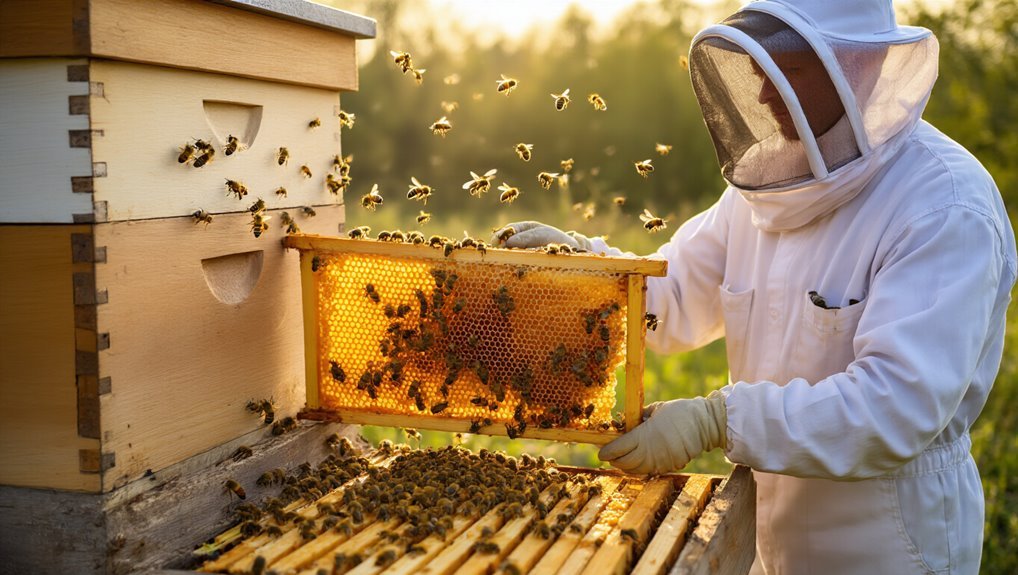
Why should we care about apiculture? We’re talking about the scientific approach to rearing and managing honey bees—commonly called beekeeping—and I think it’s worth our attention. The linguistic roots are plain: Latin apis, meaning bee, joined with cultura, meaning cultivation. In historical context, people have tended bees for ages, and apiculture became framed as a form of farming or agriculture, which matters for food systems. Apiaries are the yards where hives live and beekeepers—apiarists—manage them to produce honey, wax and pollination services. Well, maybe that sounds dry, but it’s really a partnership with nature, like tending a garden that buzzes. We’re learning, we’re experimenting—okay, we make mistakes, then we adjust. We’re proud of it, and, well, we care. It’s simple, but also complex, honestly.
How Modern Beekeeping Works
Now that we’ve covered where apiculture came from, let’s look at how modern beekeeping actually operates out in the apiary. We manage rows of Langstroth hives, checking brood care, nectar flow and hive acoustics to judge colony mood. We treat colonies like livestock — regulating queen presence, worker/drone ratios, feeding and swarming control. Stock selection mixes Apis mellifera with natives for yield, gentleness and resistance; in my experience it helps. Regular inspections use veils and suits. Drone mating areas are monitored during season, and we provide pollination services as income. Maybe we’re biased, but it feels part science, part art. Oops, that sounded odd — well, it is. Imagine:
| Hive element | Visual |
|---|---|
| Frames | Rows like books |
| Brood | Dense, warm core |
| Honey supers | Stacked gold boxes |
today.
Key Products From a Beehive
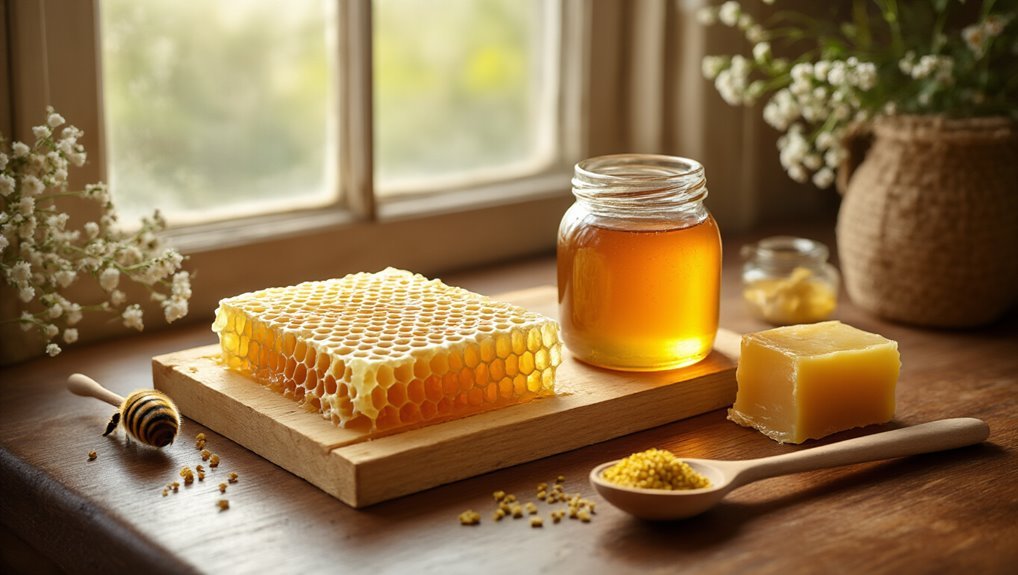
Surveying a hive’s output is like reading a small farm’s ledger: we get honey, beeswax, propolis, royal jelly and even venom, each with its own use and personality. We harvest honey — sweet, viscous, packed with sugars, pollen, enzymes and about 3,200 calories per kilogram — and we love its variety. Beeswax is structural and versatile; I think its wax applications in candles, cosmetics and food coatings are surprisingly broad. Propolis, a plant resin, seals comb and offers propolis benefits that draw attention in health products. Royal jelly is rich and protein-dense, fed to queens. Bee venom is small in volume but notable for certain therapies. Well, that’s the toolkit; simple, but powerful. We’re learning, slowly — maybe imperfectly, but we’re getting there now.
Economic and Livelihood Benefits of Beekeeping
How does beekeeping actually pay the bills for people on the ground? We see it in jars of honey, beeswax blocks and propolis pots sold at market or to manufacturers; it’s practical, tangible income. Smallholders can turn by-products into candles, cosmetics or food items and tap into local and export markets, so farm profitability improves. Licensing and honey exports bring government and foreign revenue, which supports communities. Startup costs are modest, so many of us — hobbyists and farmers alike — can begin without breaking the bank. I think it’s a smart path to income diversification. Maybe it’s not instant wealth, but it’s steady, accessible, and yes, surprisingly resilient. Well, we don’t get rich overnight — well, usually — but extra cash helps families.
Ecological Role and Pollination Services
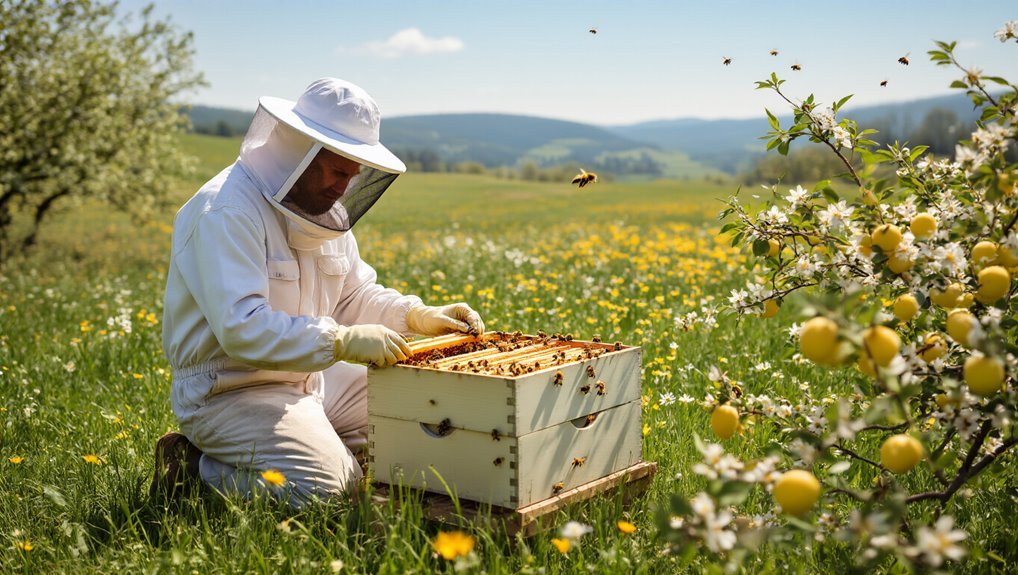
Why do bees matter beyond sweet jars of honey? We’re here to say they’re linchpins—no, they’re essential in landscapes, moving pollen and keeping plants reproducing. About 80% of flowering plants need insect help, and bees — roughly half of tropical pollinators — do a huge share. Pollination supports crops like almonds, apples and blueberries, so food systems depend on them.
- They increase yields and food security.
- They boost biodiversity and ecosystem resilience.
- They knit Pollinator networks that sustain wild plants.
We think beekeeping aids pollination services while providing hive products. Well, it’s like tending a living machine—sometimes noisy, sometimes fragile. I’m not entirely sure, but investing in bees seems the smartest bet for nature and farmers. We should act now, please.
Getting Started: Basic Equipment and First Steps
Although getting into beekeeping can feel a bit overwhelming at first, we’ll keep it simple and practical: pick a sunny spot with lots of flowering plants, set up movable Langstroth hives on stable stands, and start with one or a few colonies so you don’t drown in advice before you even open a hive. We’ll wear a white suit, veil, gloves and boots, and carry a hive tool; we think protective gear builds confidence. Start with package or nucleus colony from supplier. Plan inspections to monitor brood, ventilation, pests and nectar flow. Remember smoker safety; practice before you need it. Quick gear list:
| Item | Purpose |
|---|---|
| Hive setup | Stable, movable Langstroth |
| Protective Gear | Suit, veil, gloves, boots |
| Smoker & Tool | Smoker safety, hive tool |
Ready.
Frequently Asked Questions
What Is the Importance of Apiculture?
In medieval times we’ll support food security and biodiversity through ecosystem services, driving crop yields; we also generate local income and honey production, provide hive products, and educate you about sustainable practices that protect pollinators.
Is Beekeeping Called Apiculture?
Yes, beekeeping is called apiculture; we’ll explain briefly its terminology origin and naming conventions so you understand that apiculture, from Latin apis, denotes the rearing and management of honey bees within apiaries and agricultural practice
What Is the 3 3 3 Rule for Bees?
Buzzing basics: we don’t have a documented 3‑3‑3 rule, but people sometimes use a 3‑3‑3 heuristic linking colony dynamics, sugar feeding, three inspections, three weeks, three pounds of feed, if you need guidance or context.
Why Is Beekeeping Important?
We believe beekeeping’s important because it secures food through pollination, supports honey production and livelihoods, boosts biodiversity, aids sustainable agriculture, offers economic opportunities, and urban beekeeping reconnects your cities with nature, food systems and resilience.