A hive is a little clockwork kingdom, and we like to wink at its quirks. We toss around names like pry-bar and buzz fork because, honestly, it lightens the work; we’re practical, but we’re cheeky too. We think these puns help new beekeepers relax — well, they usually do, or at least they should — and if you stick with us, you’ll see why it’s oddly soothing…
Some of the links in this article may be affiliate links. If you make a purchase through these links, we may earn a small commission at no extra cost to you. Thank you.
Buzz Words Every New Beekeeper Should Know
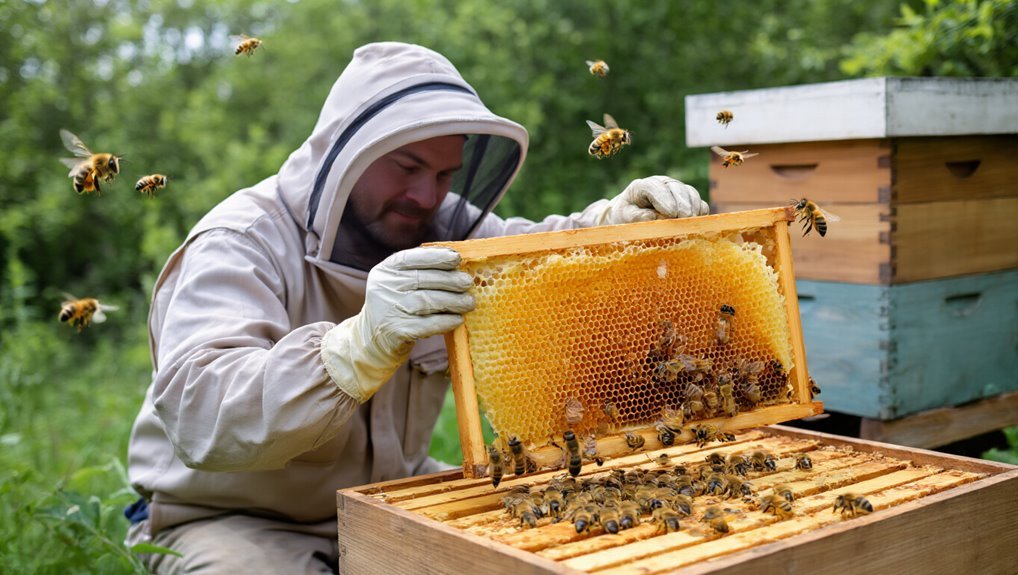
Let’s jump in: before we get hands-on, we should learn the basic buzz words so we don’t sound totally lost at the hive. We’ll cover terminology basics like hive, frame and comb, and the three castes — queen, worker, drone — because knowing roles makes inspections less scary. Nectar, pollen and nectar flow? Essential. We think of nectar as sugar, pollen as protein; nectar flow feels like payday. Varroa destructor is the pest we all hate; monitoring with sugar roll or alcohol wash is smart. We’ll admit we worry about mites, maybe too much sometimes. Well, hive jargon doesn’t need to be mysterious. I’m not entirely sure, but practice clears it up—really, it does. We’ll learn together, step by step, with patient curiosity, promise.
Classic Bee Puns to Try at Your Next Hive Inspection
Using a few cheesy puns while we poke around the hive can break the tension and get a laugh—even from the grumpiest beekeeper. We toss out punny anecdotes like “What do you call a bee that lives in America? A USB” when we’re doing hive intros, and it lightens things up. We’ll also joke, “What’s a bee’s favorite haircut? A buzz cut.” Sometimes we ask, “Why did the bee get married? Because he found his honey,” which makes people smile. If a bee looks rumpled we might mutter, “What do you call a bee that’s having a bad hair day? A frizzbee.” And to finish, we say, “What do bees use to brush their hair? Honeycombs.” It’s silly, but it works. Try them, seriously.
Honey and Sweetness Puns for Family-Friendly Fun
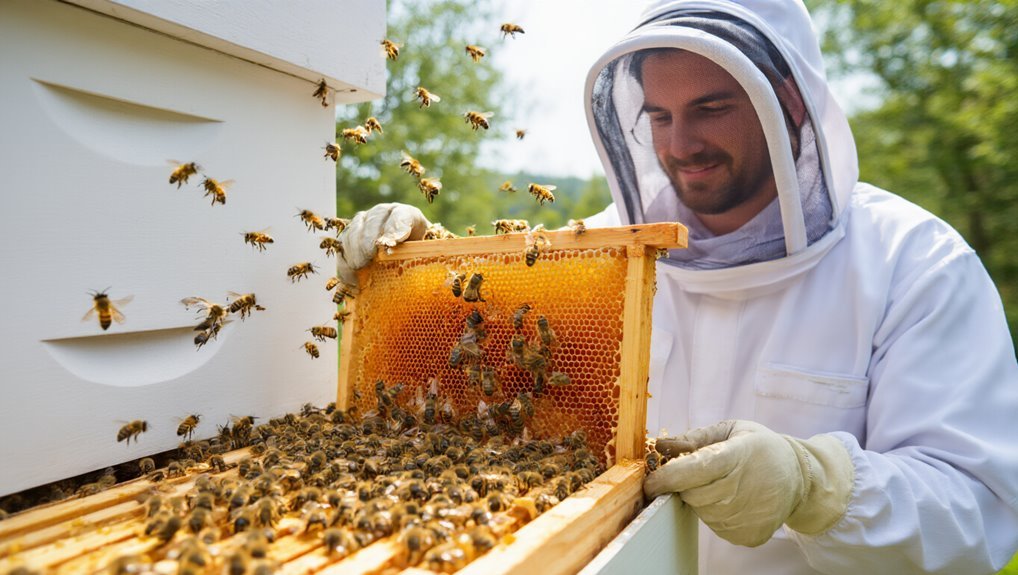
Playing with honey-themed puns is one of our favorite ways to keep kids (and the grown-ups) grinning during inspections. We love honey wordplay that’s simple and silly, like “Hi honey, I’m home!” — it’s goofy and sweet, and gets smiles every time. Family-friendly lines such as “Where do bees keep their savings? In a honey box” or “What do bees do with their honey? They cell it” are easy to remember. We throw in “Bumble gum” for a quick laugh. I think these sweet quips break the ice, maybe soften a nervous beginner. It’s like handing out candy that teaches; well, you know, in a metaphorical way. We’re not perfect, but it works. Try them, you’ll see parents and kids connecting. It’s just fun.
Slang for Hive Tools, Gear and Beekeeping Tasks
We loved the honey puns — they get folks smiling — and now we’re moving into the workshop where words get a little grittier and practical. We call tools by nicknames: uncapping fork becomes uncapping slang, the 7-in-1 is just “the pry-bar,” and gauntlets are simply gloves. An extractor? That’s the drum and we talk extractor etiquette when bottling from the honey gate. We think it’s tidy to label gear, though maybe we’re fussier than needed. Here’s a quick cheat-sheet:
| Tool | Slang |
|---|---|
| Uncapping fork | Capping fork |
| 7-in-1 hive tool | Pry-bar |
| Electric honey extractor | Extractor |
| Honey gate | Gate valve |
We’re practical, honest, and yeah, sometimes we mumble—then fix it. Hmm, that’s better. We enjoy these nicknames; they make chores friendlier, like having witty tools at hand today.
Cheeky (Adult‑Safe) Boo‑Bees Jokes and Wordplay
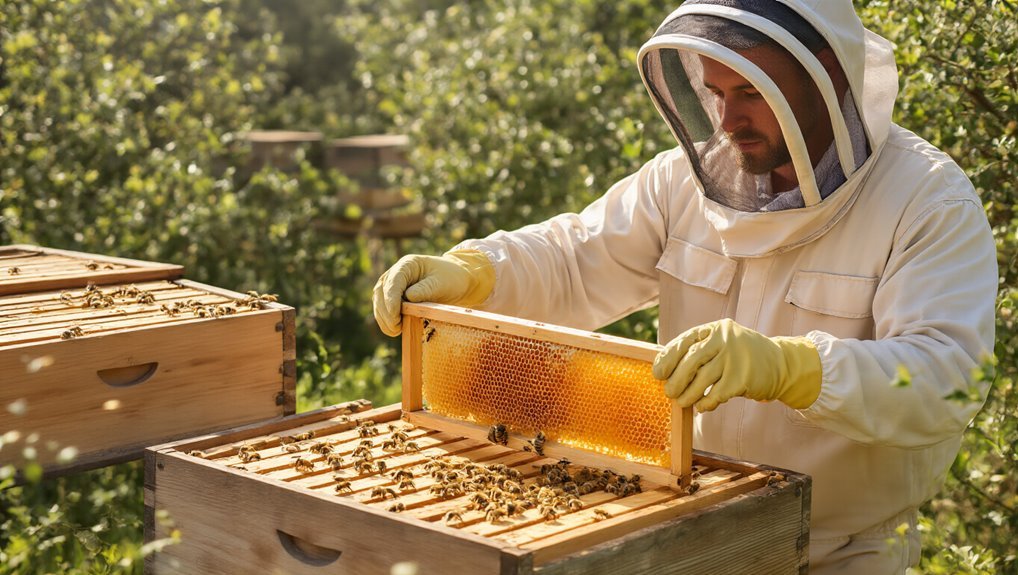
How cheeky can boo-bees jokes be before you start blushing? We think they toe the line—playful, adult-safe, and built on innuendo timing that hits like a well-timed sting. At Halloween or a wild party, costume banter fuels lines such as “Wanna see my boo-bees?” and “Are those real boo-bees?” We laugh, we groan, it’s fine. In our experience, the best punchlines nod to bee anatomy or gossip, then sign off with “Buzz you later, boo.” Maybe it’s naughty, but it’s light. We’re careful to not go too far — it’s meant to amuse, not offend, right? Honestly.
- Flip flirtation into bee-themed innuendo.
- Use timing; pause for effect.
- Lean into costume banter; keep it coy.
- Close with a playful double entendre.
Teaching Kids With Bee Jokes, Games and Activities
After a round of cheeky costume jokes and a few groans, it’s nice to steer that same playful energy toward kids without losing the laugh. We starts simple—sorry, start simple—age-appropriate jokes like “What’s a bee’s favourite sport? Rug-bee” get nine-year-olds tuning in fast. Then we invite them to a joke swap or a quick pun workshop; kids trade lines, finish punchlines and giggle. We mix in pun-based phrases—“hive five,” “buzz off,” “bee positive”—to teach wordplay and vocabulary. Toss in charades and a “finish the punchline” game for movement and memory. I think it works best when humor’s cheeky but kind. Maybe we’re overly optimistic, but it plants respect for bees while keeping learning light. We use cheeky lines — plain snob-bee — lands okay.
Frequently Asked Questions
What Is a Catchy Phrase About Bees?
Bee positive: we’re the busy hive, one buzz slogan at a time, a playful hive pun to make you smile, and we’ll help you spread optimism, stay calm during inspections, and always enjoy beekeeping together.
What Is a Bee Keeper Slang?
About 90% of beekeepers use informal jargon; a beekeeper slang is the culture of buzz terms and playful labels — we explain slang origins, like “queen bee” or “worker bee,” so you’ll understand and smile today.
What Is the 7/10 Rule in Beekeeping?
The 7/10 rule is an informal guideline suggesting inspections or actions every 7–10 days to track brood and Varroa; we’re using it to monitor hive dynamics, set a gentle replacement interval, and avoid over‑disturbing you.
What Is a Famous Beekeeping Quote?
A famous beekeeping quote we’re sharing is “Let us bee free!” as a Honey quotes example; it introduces Bee philosophy gently, helping you appreciate communal work, pollination, stewardship, and the joy of simple, buzzing wisdom.