Getting a beekeeping license in the US is simpler than most people expect. For the vast majority of beekeepers, it means registering your hives with your state’s department of agriculture — a process that costs very little and takes anywhere from a few days to a few weeks depending on where you live.
Some of the links in this article may be affiliate links. If you make a purchase through these links, we may earn a small commission at no extra cost to you. Thank you.
- More than 40 US states require all beekeepers — hobbyists included — to register their hives annually
- Registration fees are typically low, ranging from free to around $50 per apiary
- Applications go through your state’s department of agriculture, not a separate licensing board
- Selling honey commercially requires a separate food handler or cottage food permit in most states
Do You Actually Need a Beekeeping License?
Here’s the first thing to get straight: most states don’t call it a “beekeeping license.” What they actually require is hive registration — a record of your apiary’s location and the number of colonies you’re keeping. These terms get used interchangeably online, and that causes a lot of unnecessary confusion for people who are just getting started.
According to data compiled by state departments of agriculture, more than 40 states have mandatory hive registration laws on the books. The remaining states either run voluntary programs or have minimal requirements for very small-scale hobbyist beekeepers. Even in states with lighter rules, registering is almost always worth it — state apiarists provide free hive inspections, regional disease alerts, and local support that you simply can’t get anywhere else.
If you’re in the early stages and still figuring out whether beekeeping is for you, this beginner’s introduction to what beekeeping actually involves is a great place to ground yourself before diving into any paperwork.
What’s the Difference Between Registration, a License, and a Permit?
These three words show up constantly in beekeeping conversations, and they don’t always mean the same thing. Here’s a quick breakdown so you know exactly what you’re dealing with:
- Registration: Recording your apiary location and colony count with your state. This is what most states require for all beekeepers — hobbyist or commercial.
- License: Some states issue a formal beekeeping license, particularly for commercial operations or when you’re moving bees across state lines. This often involves an inspection component and slightly more paperwork.
- Permit: Usually required for specific activities — transporting bees between counties, operating a honey extraction facility, or selling honey at a farmers market.
Most hobbyist beekeepers only need registration. Commercial beekeepers — typically defined as those keeping 25 or more hives, though the exact threshold varies by state — often face more extensive requirements, including annual inspections and movement permits for taking bees to different locations.
How Do Beekeeping Regulations Differ by State?
There’s no single federal beekeeping license in the US. Beekeeping is regulated at the state level, which means requirements can vary quite a bit from one state to the next. Here are a few concrete examples of how different this can look in practice:
- California: Requires annual apiary registration through the county agricultural commissioner’s office — not the state directly. Fees and timelines vary by county.
- Texas: Runs a voluntary registration system for hobbyists and a mandatory program for commercial operators moving bees in or out of state.
- Florida: Requires registration of all apiaries, with fees starting at around $10 per apiary. The state runs an active, year-round inspection program.
- New York: Requires registration with the Department of Agriculture and Markets. First registration is free in some counties, with low-cost renewals thereafter.
The key takeaway here: always check your specific state’s department of agriculture website first. Don’t rely on what worked for a beekeeper in another state — the rules genuinely differ, sometimes dramatically. The type of beekeeping operation you run can also affect which permits apply to you, especially if you’re considering commercial pollination or migratory beekeeping rather than a simple backyard setup.
Step-by-Step: How to Register Your Beehives
Here’s the process most beekeepers go through, regardless of which state they live in. Think of this as your general roadmap — you’ll adapt the specific steps to your state’s forms and timelines.
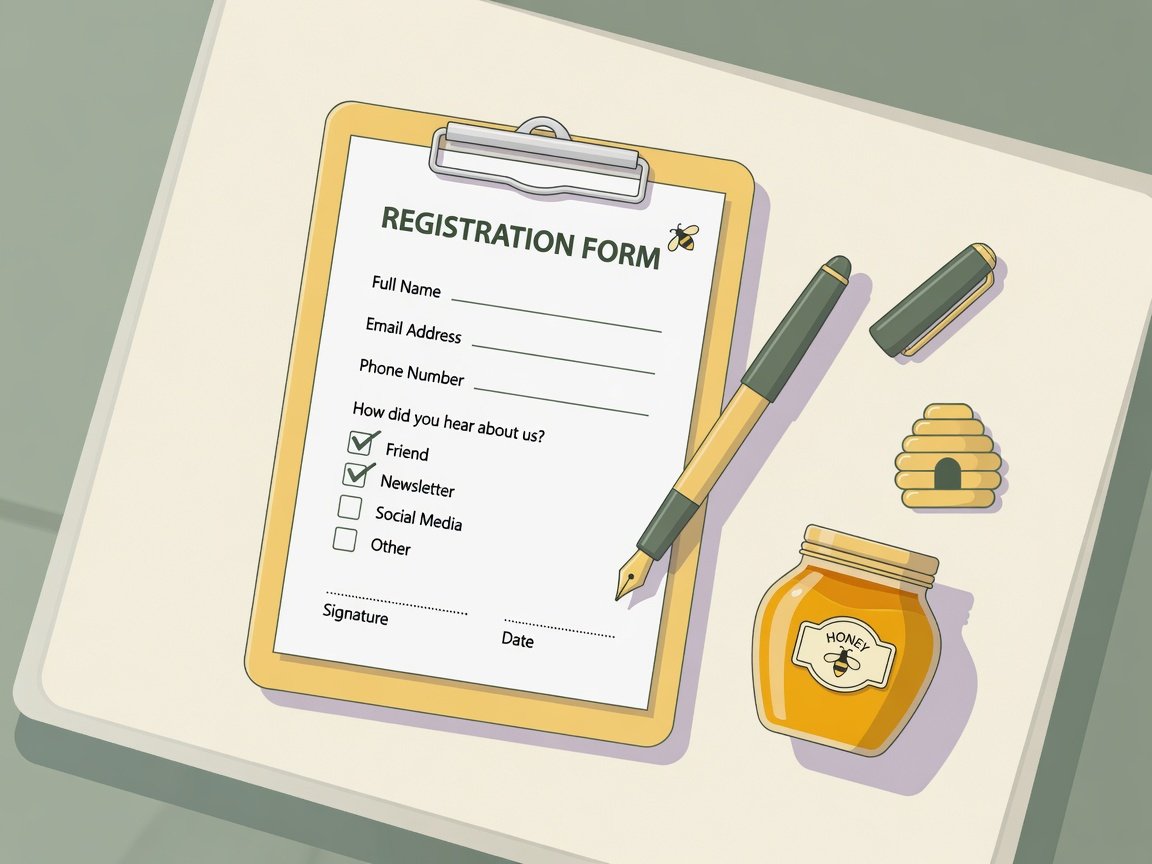
- Find your state apiarist or department of agriculture. A quick search for “[your state] apiary registration” will bring up the right office. Most states have a dedicated apiarist or apiculture program within the department of agriculture.
- Download or access the registration form. Many states now have online portals; others still use PDF forms sent by mail or email. California routes applications through individual county offices rather than a central state system.
- Gather your apiary information. You’ll typically need your name and contact address, the physical location of your hives (GPS coordinates or a parcel number in some states), the number of colonies, and whether you’re operating as a hobbyist or commercially.
- Pay the registration fee. Fees typically range from free to around $50 for a basic apiary registration. Some states charge per colony — usually $0.50 to $2.00 per hive — rather than a flat rate per apiary.
- Submit your application. Online submissions are usually processed in 5 to 10 business days. Paper applications sent by mail can take 2 to 4 weeks, particularly during the busy spring season when new beekeepers flood state offices with applications.
- Schedule an inspection if required. Some states — particularly those with active disease-monitoring programs — will send a state apiarist to inspect your hives within the first year of registration. This service is free and genuinely valuable.
- Receive your registration certificate or apiary ID. Keep this somewhere accessible. Some states require you to display it at your apiary location.
- Note your renewal date. Most registrations expire annually. Set a calendar reminder — letting your registration lapse can mean losing access to inspection services and, in states that actively enforce registration requirements, a potential fine.
How Much Does Beekeeping Registration Actually Cost?
One of the first things new beekeepers ask about is cost. The good news: hive registration is almost never expensive. Here’s a rough breakdown of what to expect across different states and operation sizes:
- Free: A handful of states offer free first-time registration to encourage new beekeepers to enter the system. Parts of New York fall into this category.
- $5–$15: The most common range for hobbyist registration fees across the US. Most small-scale beekeepers land here.
- $25–$50: Typical for larger apiary registrations or the beginning of the commercial-scale fee structure.
- Per-hive fees: At $1 per hive, a 10-colony operation costs $10 per year; a 100-colony operation costs $100. This per-hive model scales more fairly for operations of different sizes.
Registration fees are easily the smallest line item in your beekeeping budget. The real investment happens when you’re getting properly equipped with hive bodies, protective gear, and your first package of bees. A thorough complete beekeeping supplies checklist will help you plan for everything you need once your registration paperwork is sorted.
What Do Beekeeping Inspections Actually Involve?
State hive inspections are one of the most underrated perks of registration. Many new beekeepers worry about them — picturing a government official showing up to find fault with their setup. In practice, inspections are almost always collaborative and genuinely helpful experiences.
State apiarists are typically experienced beekeepers themselves. During an inspection, they’re looking primarily for signs of American Foulbrood (AFB), a highly contagious bacterial disease that can devastate entire apiaries if left unchecked. They’ll also check for other notifiable diseases and pests, including varroa mites and small hive beetles.
Apiculture programs across the US consistently emphasize that inspections exist to protect beekeepers’ colonies — not to penalize them. If a state apiarist finds a problem, they’ll advise on treatment options and give you time to address it before any regulatory follow-up would be considered. Most hobbyist beekeepers find that a first-year inspection functions more like a free expert consultation than an official audit.
Do You Need a Separate License to Sell Honey?
Yes — in most cases. Selling honey is a food business activity, and most states treat it as one. Here’s what’s typically involved once you’re ready to sell:
- Cottage food law coverage: Many states include raw honey under their cottage food laws, which allow small-scale producers to sell certain products directly to consumers without a commercial kitchen license. Annual sales limits commonly range from $5,000 to $50,000 depending on the state.
- Honey producer registration: Some states have a specific honey producer registration or label approval process, separate from basic apiary registration.
- FDA labeling requirements: Honey sold commercially must carry the producer’s name and address, net weight, and country of origin at minimum. Many states add their own labeling requirements on top of federal rules.
- Farmers market permits: Most markets require a vendor permit. Many also require proof of your state apiary registration before you can sell at their events.
The cottage food pathway keeps honey sales quite accessible for small producers who are selling direct to consumers. If you’re curious about the broader case for getting into beekeeping in the first place — beyond the honey — five compelling reasons why beekeeping matters covers the environmental and personal value that makes this pursuit so worthwhile.
What Happens If You Keep Bees Without Registering?
This comes up more than you might expect. Some new beekeepers assume that a small backyard hive will fly under the radar. Here’s why that reasoning tends to backfire:
- Fines: States with mandatory registration can impose civil penalties for unregistered hives. Fines vary widely — from $50 to over $500 per violation in states that actively enforce their apiary laws.
- No disease protection: Unregistered beekeepers miss out on disease outbreak alerts. When American Foulbrood hits apiaries in a county, registered beekeepers get notified immediately. Unregistered beekeepers don’t.
- No legal recourse: If a neighbor’s pesticide use kills your unregistered hives, you’ll have a much harder time pursuing any compensation without official documentation of your apiary’s existence.
- No access to state services: Free inspections, swarm removal call lists, and local beekeeper support networks are typically only available to registered beekeepers.
Registration is genuinely in your interest — not just a bureaucratic formality. The small time investment up front pays off in protection, support, and legal standing throughout your beekeeping career.
How Long Does the Registration Process Take?
For most beekeepers, the full registration process takes between one and four weeks from start to finish. Here’s a realistic timeline to plan around:
- Days 1–3: Find the right state office, download or access the form, and gather your apiary information.
- Days 3–5: Complete the application and submit it online or by mail. Pay the registration fee.
- Days 5–20: Processing time at the state department of agriculture. Online submissions are typically faster, especially outside of peak spring season.
- Weeks 3–4: Receive your registration certificate or apiary ID number by mail or email.
- Months 1–6: A state apiarist may contact you to schedule an initial inspection — though not all states do this proactively for new registrations.
If you’re ordering a package of bees or a nucleus colony with a specific arrival date, start the registration process well ahead of time. Getting your essential hive equipment and protective gear sorted in parallel means everything is ready to go when your bees arrive.
What Should You Do Right After Getting Your Registration?
Registration is the starting line, not the finish line. Here’s what experienced beekeepers consistently recommend doing in the weeks and months after your paperwork is approved:
- Join your local beekeeping association. Most counties and regions have active clubs holding monthly meetings, mentorship programs, and shared equipment libraries. This is the single highest-value step you can take as a new beekeeper — the practical knowledge you’ll gain from experienced local mentors is irreplaceable.
- Take a beginner beekeeping course. Many state bee associations run low-cost or free beginner courses in late winter or early spring, timed perfectly for people installing their first packages in April or May.
- Read up on hive management. The more you understand before your first inspection, the less likely you are to panic when you open the hive and encounter something unexpected. A well-chosen beginner beekeeping book covers seasonal management, swarm prevention, and disease recognition far more thoroughly than any single article can.
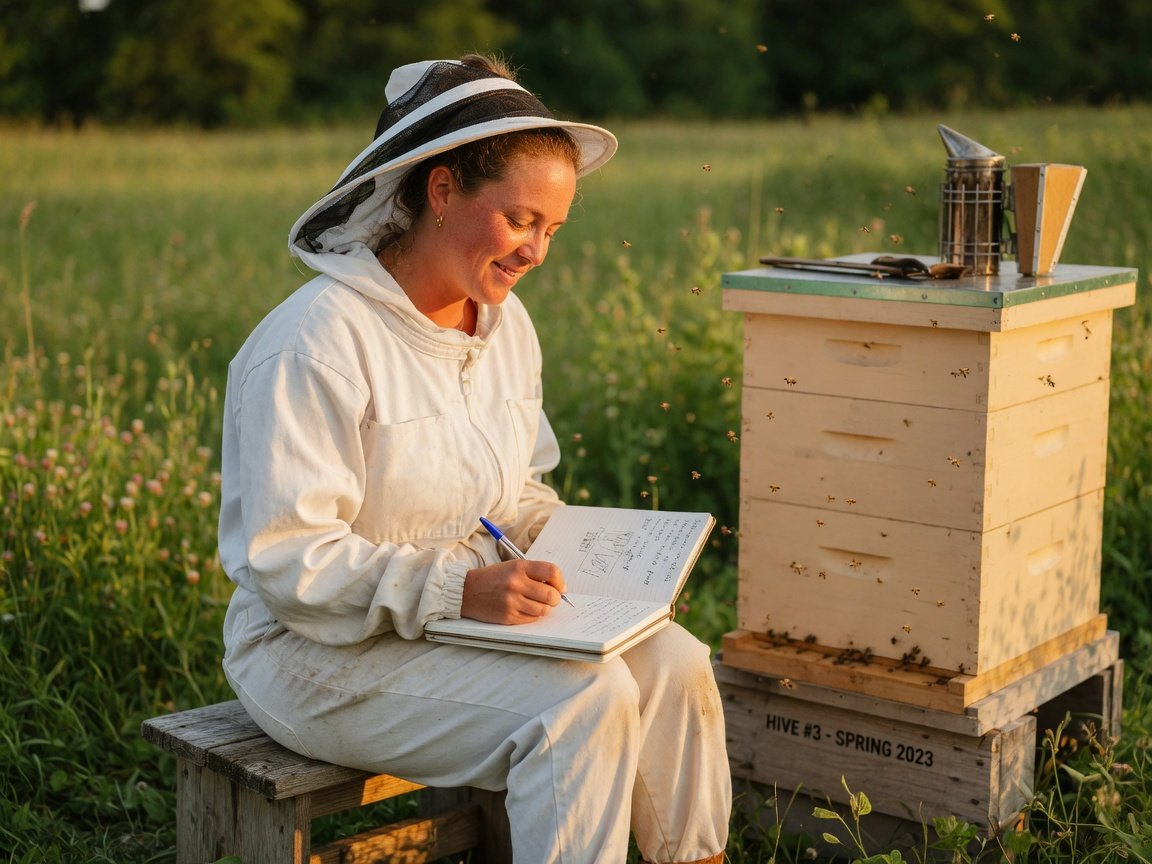
- Set up a hive record-keeping system. Keep notes on every inspection — colony strength, queen status, honey stores, any treatments applied. Good records help you spot problems early and are essential if you ever need to document a disease issue or pesticide kill event.
- Mark your registration renewal date. Almost all state registrations expire annually. Missing the renewal can mean starting the application process over and losing inspection access in the interim. Set a recurring calendar reminder.
- Check in with your state apiarist. Many state apiculture offices have newsletters, email lists, and regional meetings. Signing up keeps you informed about local disease pressures, changes to state regulations, and educational events in your area.
Frequently Asked Questions About Beekeeping Licenses
Do you need a license to keep bees in the United States?
Most states require apiary registration rather than a formal “license.” More than 40 states have mandatory registration laws that apply to all beekeepers, including hobbyists with just one or two hives. A small number of states run voluntary programs or set minimum thresholds for very small operations. Always check your specific state’s department of agriculture website for current rules — they do get updated.
Is there a federal beekeeping license in the US?
No. Beekeeping is regulated at the state level in the US. There is no national beekeeping license or federal registration requirement for domestic beekeeping. The USDA does get involved in interstate movement of bees and in broader disease management programs, but day-to-day beekeeping regulation sits entirely with individual states.
How much does it cost to register beehives?
Registration fees are typically very low. Most states charge between $5 and $50 for an apiary registration, with some offering free registration for new beekeepers or very small operations. Some states charge per colony rather than a flat apiary fee — typically $0.50 to $2.00 per hive per year. In nearly every case, the registration fee is the cheapest part of getting started with bees.
Can I sell honey without a license?
It depends on your state and how much you’re selling. Many states cover small honey sales under cottage food laws, which let you sell directly to consumers without a commercial food license. However, most states still have labeling requirements and some require a separate honey producer registration. Selling at farmers markets usually involves additional vendor permits on top of your apiary registration.
Do hobbyist beekeepers need to register their hives?
In most states, yes. Mandatory registration applies to all beekeepers regardless of how many hives they keep. A few states set minimum thresholds — exempting beekeepers with only one or two hives — but these are the exception rather than the rule. Even where registration is technically optional, the practical benefits make it worth doing: free inspections, disease outbreak alerts, and inclusion in local swarm removal networks are all tied to your registered status.
What happens if I move my bees to a new location?
Most states require you to update your apiary registration whenever you move your hives to a new location. If you’re moving bees across state lines — for pollination services, for example — you’ll typically need a health certificate from your state apiarist and may need to meet the destination state’s bee entry requirements. Always check both states’ rules before any interstate move, as non-compliance can result in your bees being held at the border.
How long does beekeeping registration take to process?
Online applications are usually processed in 5 to 10 business days. Paper applications submitted by mail can take 2 to 4 weeks. Applying in late winter or early spring — before the beekeeping season begins in earnest — is smart, as processing times slow down when everyone applies at once in April and May.
Do I need a beekeeping license to keep bees in my backyard?
In most states, yes — you still need to register your hives even if they’re in your backyard. Beyond state requirements, check your local municipality’s zoning rules too. Many cities and towns have their own beekeeping ordinances that set rules on hive placement, the number of hives allowed, and minimum distances from property lines and neighboring homes. Your homeowners association may have additional rules if applicable.
—